


professional-fascia-replacement0641
professional-fascia-replacement0641
Five Killer Quora Answers To Fascia And Soffit Upgrades

Fascia and Soffit Upgrades: Enhancing Your Home’s Exterior
Introduction
When it comes to home improvement, numerous house owners focus on the more noticeable elements like siding, windows, and doors. Nevertheless, equally important however often neglected areas are the fascia and soffit. Updating these components can considerably improve a home’s outside aesthetics, enhance functionality, and supply better protection against the elements. This short article will explore the importance of fascia and soffit, the numerous upgrade choices offered, and how these improvements can benefit your home.
Understanding Fascia and Soffit
What is Fascia?
Fascia refers to the horizontal board that runs along the roof’s edge. It is normally the noticeable trim used to link the roofline to the home’s outside walls. The fascia board plays a crucial role in supporting the lower edge of the roofing system, attaching the gutters, and frequently including a completing touch to the architectural design of your house.
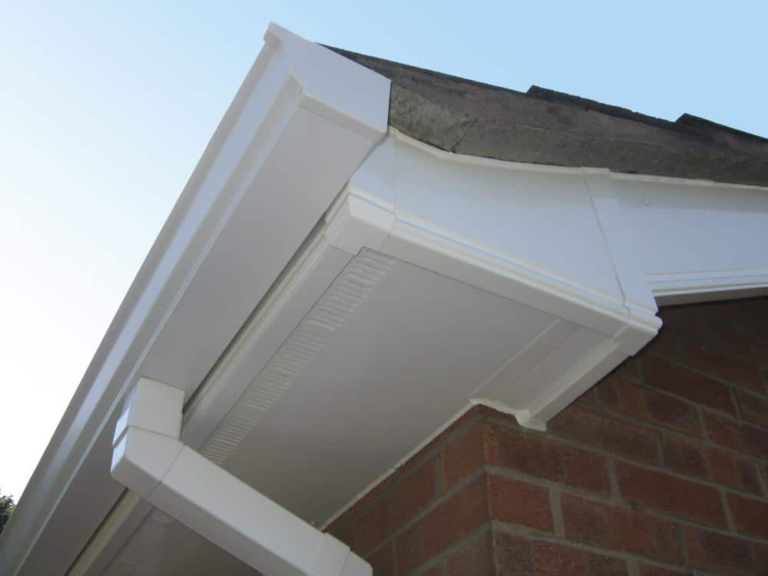
What is Soffit?
Soffit is the product that covers the underside of overhanging eaves. It fills the gap in between the roofline and the exterior wall, supplying total protection while improving the general look of the eaves. Soffits are necessary for ventilation, as they allow air to stream into the attic area, assisting to preserve correct temperature level balance and prevent wetness accumulation.
Why Upgrade Fascia and Soffit?
Updating fascia and soffit components can yield a host of benefits, including:
- Aesthetic Appeal: New fascia and soffit products can match the design of your home, elevating its curb appeal.
- Protection from Moisture: Poorly kept fascia and soffit can rot or become infested with pests. Updating with moisture-resistant products supplies much better protection.
- Enhanced Ventilation: Well-designed soffits boost attic ventilation, which can cause energy cost savings while lowering the threat of ice dams in winter season.
- Increased Property Value: An aesthetically attractive and properly maintained exterior can enhance your home’s market price.
- Lowered Maintenance: Modern products typically have better longevity and need less maintenance compared to conventional wood alternatives.
Upgrade Options: Materials and Styles
When thinking about fascia and soffit upgrades, house owners have different materials and styles to pick from. Below is a table summing up the most common options:
| Material | Description | Pros | Cons |
|---|---|---|---|
| Vinyl | Plastic material that mimics wood textures | Low maintenance, moisture-resistant | Can fade over time |
| Aluminum | Light-weight metal readily available in numerous colors | Resistant to corrosion, long-lasting | May damage easily |
| Wood | Standard option that provides natural beauty | Much easier to work with, aesthetically pleasing | Requires regular maintenance |
| Fiber Cement | Composite product that simulates wood | Exceptionally durable, weather-resistant | Heavier, may need special tools |
| PVC | Light-weight plastic option | Easy installation, resistant to rot | May lack color variety |
Installation Process
Upgrading fascia and soffit requires a comprehensive approach to make sure toughness and correct function. Here’s a quick summary of the installation procedure:
-
Assessment: Evaluate the current condition of your fascia and soffit. Search for signs of rot, damage, or pests.
-
Material Selection: Choose the suitable materials based on visual appeals, maintenance choices, and spending plan.
-
Preparation: Remove the old fascia and soffit materials carefully. Guarantee all areas are clean and devoid of debris.
-
Installation:
- Install the brand-new soffit panels, ensuring proper ventilation.
- Attach the fascia boards, securing them firmly and checking for any gaps where wetness might go into.
-
Ending up Touches: Paint or seal the new materials as required and set up seamless gutters, guaranteeing they are firmly connected to the fascia.
Often Asked Questions (FAQs)
1. What is the ideal time for fascia and soffit upgrades?
The perfect time for these upgrades is typically throughout spring or early fall when weather condition conditions are moderate. Avoiding severe temperature levels can help ensure the materials set appropriately and keep their shape.
2. How do I understand if my fascia and soffit requirement to be changed?
Indications of damage include peeling paint, drooping boards, water damage, or noticeable spaces. If you can see rot or pest problems, it’s time to think about an upgrade.
3. Can I install fascia and soffit upgrades myself?
While some property owners might feel confident in DIY installations, employing experts is often recommended. They bring know-how and make sure that the installation fulfills regional structure codes.
4. What should I look for in a contractor?
When choosing a contractor, look for licenses and insurance, ask for referrals, and read reviews. It’s helpful to get multiple quotes to guarantee you get a reasonable rate.
5. Just how much does it typically cost to upgrade fascia and soffit?
The cost can differ considerably based upon factors such as material option, labor expenses, and the general size of your home. Typically, house owners might spend in between ₤ 1,500 and ₤ 5,000.
Updating fascia and soffit parts is a crucial element of home maintenance that need to not be neglected. Through improved aesthetics, enhanced defense, and increased home value, these upgrades serve an important role in preserving the stability and appeal of your home. By comprehending your choices and the advantages they use, homeowners can make educated choices to boost both the beauty and performance of their home.